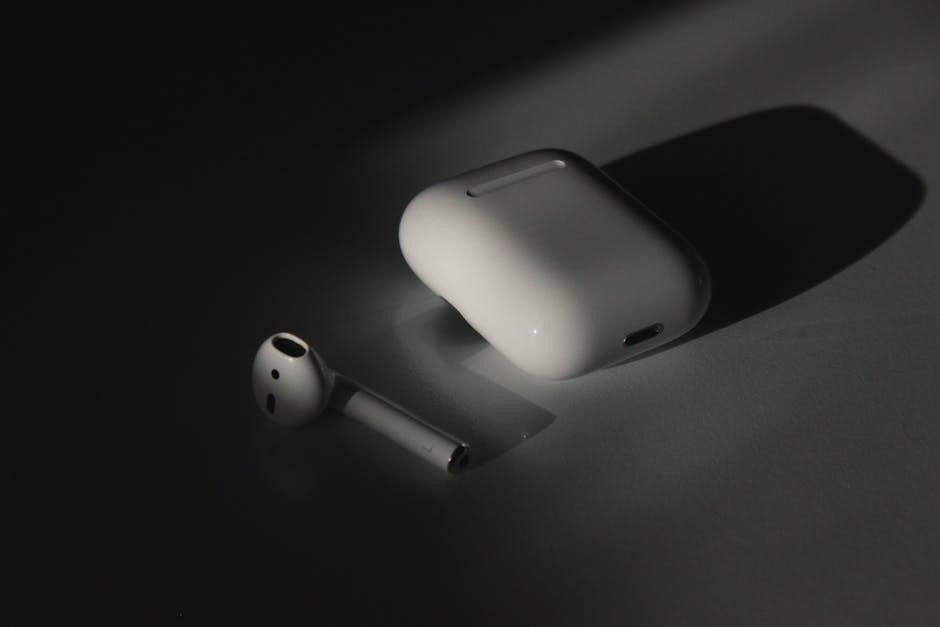
Billboard Earbuds Instructions: A Comprehensive Guide
Billboard earbuds offer a premium audio experience, seamlessly integrating with USB-C devices. This guide details setup, pairing, operation, and troubleshooting for optimal performance.
Understanding Billboard Earbuds & Connectivity
Billboard Earbuds leverage advanced USB-C connectivity, utilizing features beyond standard audio transmission. Understanding how these earbuds interact with your devices is crucial for a seamless experience. The core of this functionality lies in USB Type-C’s Alternate Mode, allowing the earbuds to operate as more than just an audio accessory.
Specifically, the “Billboard Device” designation indicates the earbud’s attempt to establish this alternate mode. When a device connects, it negotiates to enter a specific mode – like DisplayPort for video or, in this case, a specialized audio profile. If this negotiation fails within a defined timeframe (typically 1000 milliseconds), the device defaults to basic power delivery via VBUS.
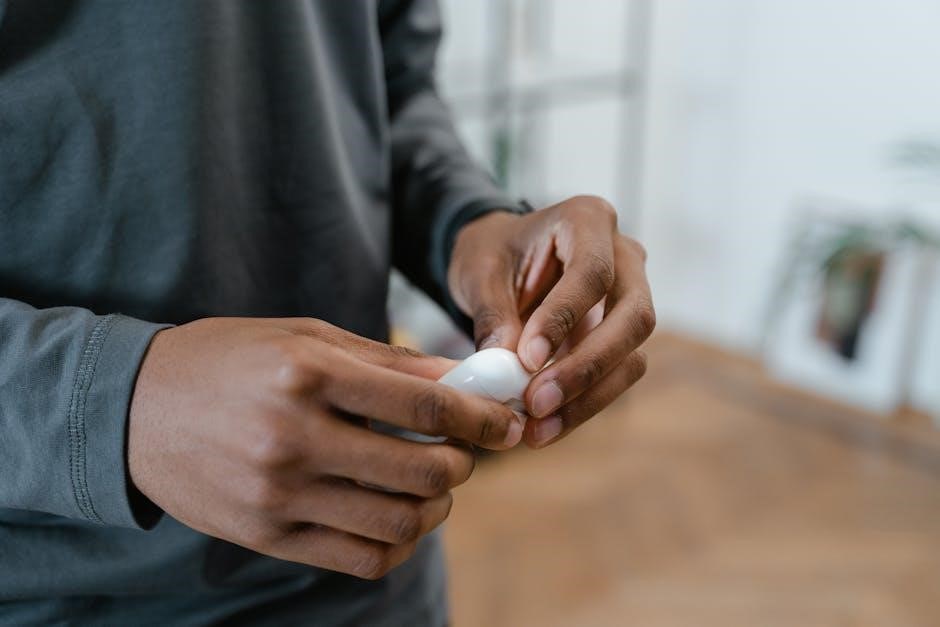
This can manifest as connection issues, prompting the need to understand the underlying technology. Billboard’s entry into the Chinese market highlights the importance of reliable chart data influencing audio technology and consumer choices, mirroring the earbud’s performance expectations.
What is a “Billboard Device” in USB-C Context?
In the realm of USB Type-C, a “Billboard Device” isn’t a marketing term, but a technical designation. It signifies a device attempting to utilize USB Alternate Mode (Alt Mode) for functions beyond standard USB data transfer. When Billboard Earbuds connect, they signal their capability to enter Alt Mode, aiming for optimized audio transmission.
This process involves a negotiation between the earbud and the host device. The earbud essentially ‘announces’ its capabilities. If successful, the USB-C port switches to the designated Alt Mode. However, if this negotiation fails within a specific time limit (around 1000 milliseconds), the device is identified as a “Billboard Device” indicating a failed Alt Mode entry.
Consequently, the connection reverts to basic functionality, often just power delivery. Understanding this distinction is key to troubleshooting connectivity problems, as it points to a potential incompatibility or configuration issue; The Billboard charts themselves reflect performance metrics, mirroring the earbud’s operational status.
USB Type-C Alternate Mode & Billboard Earbuds
Billboard Earbuds leverage USB Type-C Alternate Mode to deliver high-fidelity audio. Alt Mode allows the USB-C port to transmit signals beyond standard USB data, supporting protocols like DisplayPort for video or, in this case, optimized audio streams. This bypasses typical USB audio limitations, resulting in superior sound quality.
Specifically, the earbuds attempt to enter an Alt Mode tailored for audio transmission. Successful entry enables features like higher sampling rates and bit depths, crucial for a premium listening experience. However, compatibility is vital; the host device (phone, laptop) must also support the necessary Alt Mode profile.
If the device fails to establish Alt Mode within the allotted timeframe, it falls back to standard USB audio. This explains the “Billboard Device” notification – a failed attempt to utilize the enhanced capabilities. The Billboard charts, representing audio popularity, indirectly benefit from technologies enabling better sound reproduction.
Troubleshooting USB Billboard Device Errors
Encountering a “USB Billboard Device” error indicates your Billboard Earbuds failed to activate USB Type-C Alternate Mode. First, ensure your device’s USB-C port and firmware are up-to-date. Try a different USB-C cable, as some may not support Alt Mode. A reboot of your phone or computer can often resolve temporary glitches preventing successful mode entry.
If the issue persists, verify the earbuds are fully charged. Low power can sometimes interfere with the Alt Mode negotiation. Check device compatibility; not all USB-C ports support the necessary audio Alt Mode; Consider testing the earbuds with another compatible device to isolate the problem.
Remember, the error signifies a communication failure during setup. While frustrating, it doesn’t necessarily indicate a faulty product. Billboard’s influence on music quality standards indirectly drives demand for reliable audio connections.
Initial Setup & Pairing
Before enjoying your Billboard Earbuds, a simple initial setup is required. Begin by fully charging both earbuds and the charging case. Once charged, remove the earbuds from the case – they should automatically enter pairing mode, indicated by a flashing light. If not, consult the “Powering On and Entering Pairing Mode” section.
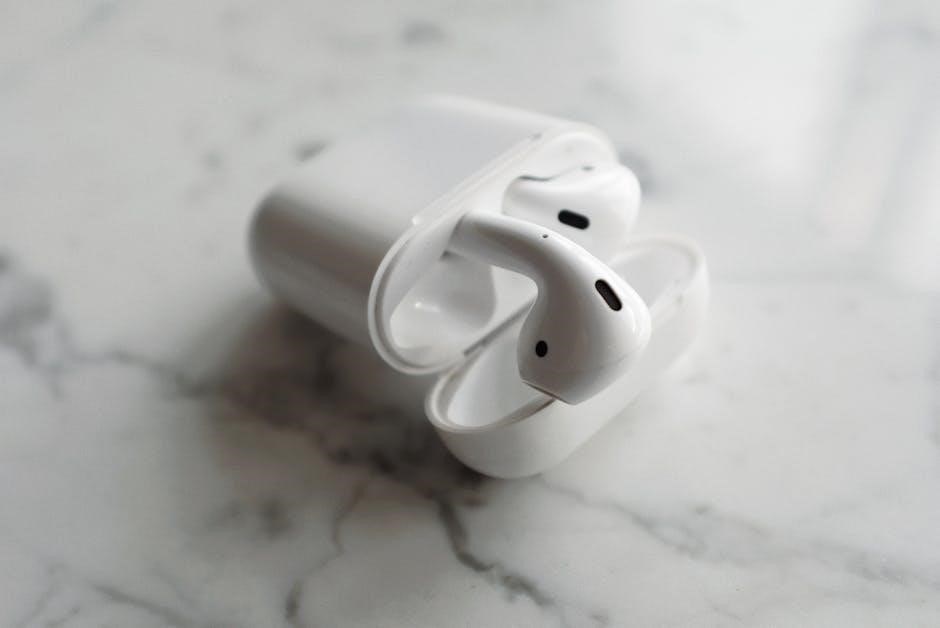
On your Android or iOS device, navigate to the Bluetooth settings. Your Billboard Earbuds will appear in the list of available devices. Select them to initiate pairing. You may be prompted for a pairing code; if so, enter “0000”. A successful connection will be confirmed by a solid light on the earbuds and a connection status in your device’s Bluetooth settings.
Billboard’s chart success often correlates with increased demand for high-quality listening experiences, making seamless pairing crucial.
Unboxing and Component Check
Carefully unpack your Billboard Earbuds package. Inside, you should find the following components: the Billboard Earbuds themselves (left and right), a charging case, a USB-C charging cable, and various sizes of ear tips to ensure a comfortable and secure fit. Additionally, a quick start guide and safety instructions manual are included.
Inspect each component for any visible damage. Ensure the earbuds are clean and free from defects. Verify the charging case is intact and the USB-C port is undamaged. Confirm the presence of all ear tip sizes – typically small, medium, and large – to customize your listening experience.
Retain the original packaging for potential warranty claims or returns. A thorough component check ensures you have everything needed for optimal performance, mirroring the precision found in Billboard’s music charts.
Powering On and Entering Pairing Mode
To power on your Billboard Earbuds, remove them from the charging case. They will typically automatically enter pairing mode, indicated by a flashing LED light – often blue or white. If automatic pairing doesn’t initiate, consult the quick start guide for specific instructions, as some models require a manual activation process.
Manual pairing often involves a long press on a designated button on each earbud for several seconds. The LED will flash rapidly, signaling pairing mode. Ensure your device’s Bluetooth is enabled and discoverable. The earbuds should then appear in your device’s Bluetooth settings list.
Successful pairing is confirmed by a solid LED light or an audio prompt. Like a song climbing the Billboard charts, establishing a connection is the first step to enjoying your audio.
Pairing with Android Devices
Pairing your Billboard Earbuds with an Android device is straightforward. First, ensure Bluetooth is enabled in your device’s settings. Navigate to the “Connections” or “Bluetooth” section. With your earbuds in pairing mode (flashing LED), they should appear in the list of available devices.
Tap on the earbuds’ name to initiate the pairing process. You may be prompted to confirm a pairing code – typically “0000” if required, though most modern devices handle this automatically. Once connected, the LED on the earbuds will usually turn solid, and your Android device will indicate a successful connection.
Like tracking a song’s ascent on the Billboard Hot 100, confirming the connection is key. Some Android versions may offer advanced Bluetooth settings for customizing earbud behavior.
Pairing with iOS Devices
To pair your Billboard Earbuds with an iPhone or iPad, begin by ensuring Bluetooth is activated. Access the “Settings” app, then tap “Bluetooth.” With your earbuds in pairing mode – indicated by a flashing light – they should appear under “Other Devices.”
Select your earbuds from the list. iOS will automatically handle the pairing process, and you may see a connection request pop-up; confirm to proceed. A solid LED on the earbuds signifies a successful connection. Your earbuds will now appear under “My Devices” within the Bluetooth settings.
Similar to monitoring a song’s climb on the Billboard charts, verifying the connection is crucial. iOS offers seamless integration, allowing easy switching between paired devices. Enjoy your music!
Basic Operations & Controls
Billboard Earbuds offer intuitive touch controls for a seamless listening experience. A single tap on either earbud typically pauses or plays music – much like tracking a song’s position on the Billboard Hot 100. Double-tapping usually skips to the next track, while triple-tapping reverts to the previous one.
Volume adjustment is often achieved through swipe gestures: swipe up on the right earbud to increase volume, and down to decrease. Answering incoming calls requires a single tap, while ending a call also utilizes a single tap.
These controls are designed for ease of use, mirroring the straightforward nature of Billboard’s ranking methodology. Familiarize yourself with these gestures for optimal control during your listening sessions.
Volume Control
Billboard Earbuds provide several methods for precise volume adjustment, ensuring your listening experience matches the dynamic range of your favorite Billboard chart-topping hits. The primary method involves intuitive touch controls directly on the earbuds themselves.
Typically, a vertical swipe gesture on the right earbud’s touch surface increases the volume, while a downward swipe decreases it. The sensitivity of these gestures can sometimes be adjusted within a companion app, if available; Some models also support volume control via voice assistant commands.
Ensure the volume is set to a safe level to protect your hearing, just as Billboard prioritizes accurate and reliable data. Gradual adjustments are recommended for optimal comfort and sound quality.
Play/Pause & Track Skipping
Billboard Earbuds offer effortless control over your music playback, mirroring the seamless flow of the Billboard charts. A single tap on either earbud typically pauses and resumes audio playback – perfect for quick interruptions.
To skip tracks, a double-tap on the right earbud usually advances to the next song, while a double-tap on the left earbud returns to the previous track; Some models allow customization of these controls through a dedicated mobile application.
These intuitive gestures ensure you remain immersed in your audio, whether enjoying current hits or revisiting classic albums. Consistent responsiveness is key, providing a smooth and uninterrupted listening experience, much like Billboard’s reliable rankings.
Answering & Ending Calls
Billboard Earbuds facilitate clear and convenient hands-free calling. When a call arrives, a single press on either earbud typically answers the incoming call, instantly connecting you to the conversation. The built-in microphone ensures your voice is transmitted clearly, even in moderately noisy environments.
To end a call, simply press either earbud again. Some models feature voice assistant integration, allowing you to answer or reject calls using voice commands. Call quality is prioritized, ensuring a professional and reliable communication experience.
Seamless call management complements the earbuds’ audio performance, keeping you connected without interrupting your day, much like Billboard keeps you connected to the latest music trends.
Activating Voice Assistant
Billboard Earbuds offer seamless integration with your preferred voice assistant – typically Siri, Google Assistant, or Bixby. Activation is usually achieved through a long press on one of the earbuds, often the left earbud, though this can vary by model. A distinct audio cue confirms successful activation.
Once activated, you can issue voice commands to control music playback, make calls, send messages, set reminders, and access information. The earbuds’ microphone captures your voice clearly, ensuring accurate command recognition. This hands-free control enhances convenience and safety.
Like Billboard’s influence on music discovery, voice assistants streamline your digital life. Check your earbud’s specific manual for the precise activation method and compatible voice assistants.
Advanced Features & Settings
Billboard Earbuds boast advanced features accessible through a companion app (available on Android and iOS). Explore customizable sound profiles, mirroring Billboard’s chart-topping audio preferences, allowing you to tailor the sound to your liking. EQ settings provide granular control over frequencies, enhancing bass, mids, or highs.
Noise cancellation (ANC) and transparency modes are key features. ANC blocks external sounds for immersive listening, while transparency mode lets ambient noise in for situational awareness – crucial for safety. The app often includes firmware updates, improving performance and adding new functionalities.
Further settings may include auto-pause/play, wear detection, and customizable touch controls. Just as Billboard adapts to evolving music tastes, these settings allow you to personalize your earbud experience.
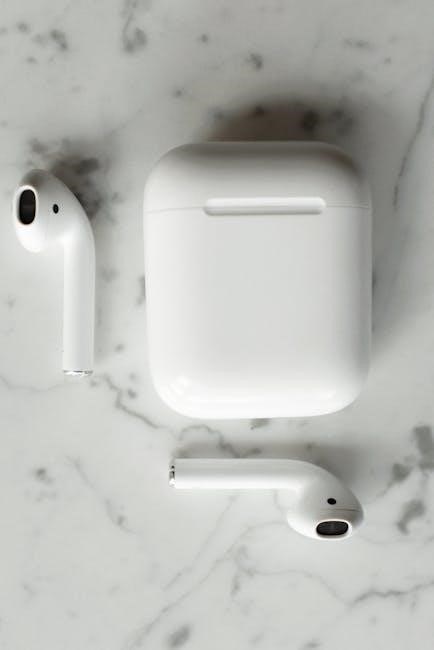
Understanding Billboard Earbud Sound Profiles
Billboard Earbuds feature pre-set sound profiles designed to replicate listening experiences aligned with popular music genres, mirroring the diverse tastes reflected in the Billboard charts. These profiles – such as “Pop,” “Hip-Hop,” “Rock,” and “Classical” – adjust equalization settings automatically.
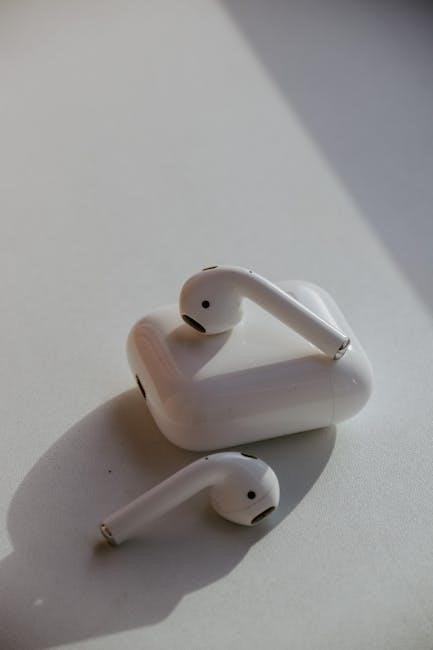
Each profile emphasizes specific frequencies to optimize sound for that genre. For example, “Hip-Hop” boosts bass, while “Classical” prioritizes clarity in higher frequencies. These aren’t merely presets; they’re curated to deliver an experience akin to how artists intend their music to be heard, as recognized by Billboard’s industry standards.
Experimenting with profiles is encouraged. Consider how a song sounds across different settings to discover your preferred listening style. Custom profiles allow you to save personalized EQ adjustments, creating a truly tailored audio experience.
Customizing EQ Settings (if applicable)
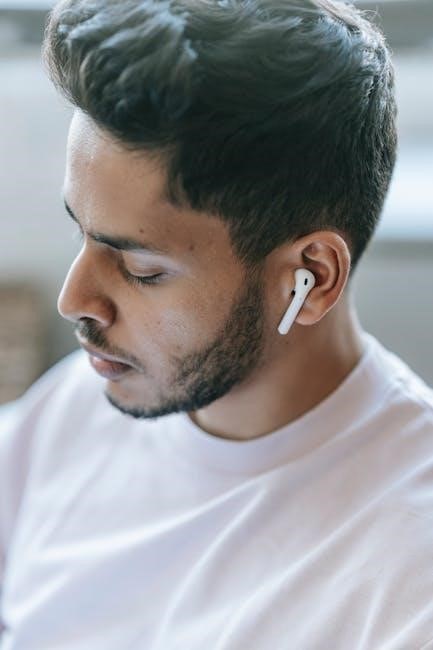
Billboard Earbuds, depending on the model, may offer customizable Equalizer (EQ) settings via a companion app. This allows for precise audio tuning beyond the pre-set sound profiles. The app typically presents a graphic EQ, enabling adjustment of specific frequency bands – bass, mid-range, and treble.
Fine-tuning the EQ can compensate for individual hearing differences or optimize sound for particular music genres not fully covered by the presets. Experiment with subtle adjustments; drastic changes can distort audio quality. Saving custom profiles is recommended to store preferred settings for different listening scenarios.
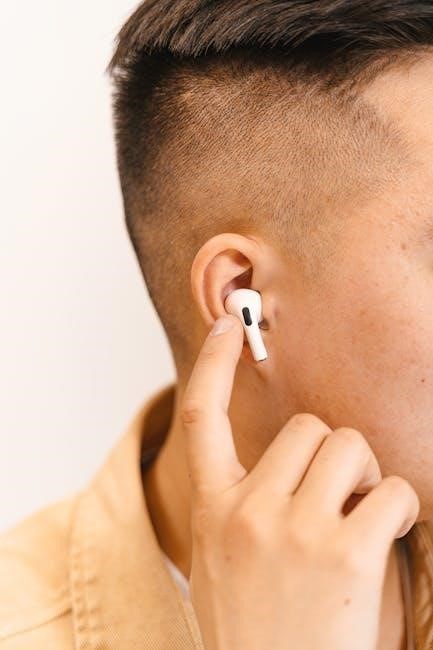
Consider referencing Billboard chart data – analyzing the sonic characteristics of popular tracks – as inspiration for EQ adjustments. This approach can help replicate the sound signature of professionally mastered recordings, enhancing your listening experience.
Noise Cancellation & Transparency Mode
Billboard Earbuds featuring Active Noise Cancellation (ANC) utilize microphones to detect and neutralize ambient sounds, creating an immersive listening experience. This is particularly useful in noisy environments like commutes or crowded spaces. ANC effectiveness varies depending on the frequency and intensity of external noise.
Transparency Mode, conversely, allows external sounds to pass through, enabling awareness of surroundings without removing the earbuds. This is crucial for safety when walking or cycling. Switching between ANC and Transparency Mode is typically done via a touch control on the earbuds or within the companion app.
Optimizing these modes considers Billboard’s influence on music consumption; enjoying chart-topping hits requires clarity, enhanced by ANC, or situational awareness, provided by Transparency Mode.
Maintenance & Troubleshooting
Billboard Earbuds require regular maintenance for optimal performance. Clean the earbuds and charging case weekly with a soft, dry cloth. Avoid liquids and abrasive cleaners. Inspect the ear tips for wear and tear, replacing them as needed for a secure fit and sound isolation.
For connection issues, ensure Bluetooth is enabled on your device and the earbuds are in pairing mode. Resetting the earbuds (refer to the ‘Resetting Your Billboard Earbuds’ section) can resolve persistent problems. If charging isn’t occurring, verify the cable and power adapter are functioning correctly.
Troubleshooting often mirrors Billboard’s chart rankings – identifying the root cause is key. Consistent issues may require contacting customer support. Proper care extends the lifespan and ensures continued enjoyment of your audio experience.
Cleaning Your Billboard Earbuds
Maintaining cleanliness is crucial for hygiene and optimal audio quality with your Billboard Earbuds. Regularly wipe down the earbuds with a soft, dry, lint-free cloth. For stubborn grime, slightly dampen the cloth with distilled water – avoid getting moisture into any openings.
Pay particular attention to the ear tips, as they accumulate earwax and debris. Remove the ear tips and wash them gently with mild soap and water. Ensure they are completely dry before reattaching. The charging case should also be cleaned periodically, focusing on the contact points.
Avoid using harsh chemicals, solvents, or abrasive materials, as these can damage the earbuds. Consistent cleaning, like tracking Billboard’s Hot 100, ensures long-lasting performance and a pleasant listening experience.
Charging the Earbuds & Case
Proper charging extends the lifespan of your Billboard Earbuds and ensures uninterrupted listening. Place the earbuds inside the charging case; they will begin charging automatically. A light indicator on the case displays the charging status – typically red while charging and green when fully charged.
To charge the case itself, connect it to a power source using a USB-C cable. The case’s indicator light will show the charging progress. Avoid using fast chargers not specifically designed for the Billboard Earbuds, as they may cause damage.
Like monitoring Billboard’s BB200 album sales, regularly checking the charge levels of both the earbuds and the case is essential. A fully charged case provides multiple additional charges for the earbuds, offering extended playtime.
Troubleshooting Connection Issues
If your Billboard Earbuds aren’t connecting, first ensure they are adequately charged and in pairing mode. Check your device’s Bluetooth settings to confirm the earbuds aren’t already connected to another source. Sometimes, simply toggling Bluetooth off and on again can resolve the issue, similar to a refresh of Billboard’s Hot 100 chart.
If problems persist, try “forgetting” the earbuds from your device’s Bluetooth list and re-pairing them. Interference from other wireless devices can also cause connection drops; move away from potential sources of interference. A failed attempt to enter ‘Alternate Mode’ can sometimes mimic connection problems.
Finally, a reset of the earbuds (refer to the ‘Resetting Your Billboard Earbuds’ section) can often restore connectivity. Consistent issues may indicate a firmware update is needed, check the manufacturer’s website.
Resetting Your Billboard Earbuds
To reset your Billboard Earbuds, begin by ensuring they are both securely placed within the charging case. Disconnect the charging case from any power source. Press and hold the reset button – typically a small, recessed button on the case – for approximately 10-15 seconds. You may observe a flashing indicator light confirming the reset process has initiated, much like a chart’s position changing on the Billboard 200.
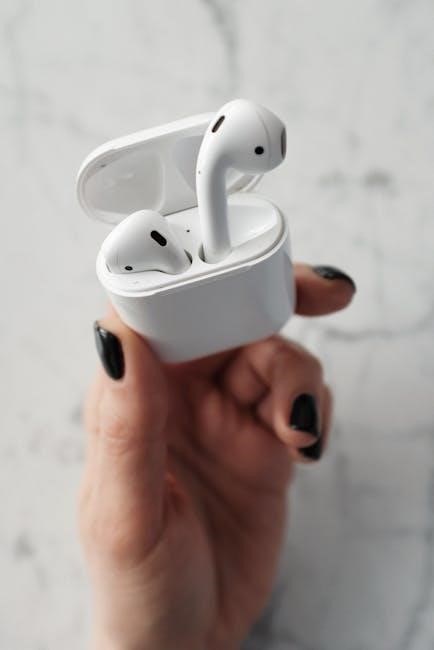
Release the button and allow the earbuds to fully power cycle. Once complete, remove the earbuds from the case. They will automatically re-enter pairing mode, ready to be reconnected to your device. This process clears previous pairings and settings.
If the reset doesn’t resolve your issues, consult the manufacturer’s website for specific instructions related to your earbud model. A successful reset restores the earbuds to their factory defaults.
Billboard Charts & Earbud Performance (Contextual Relevance)
The connection between Billboard charts and earbud performance isn’t direct, but reflects evolving music consumption. As Billboard’s Hot 100 and BB200 track popular songs and albums, earbud technology adapts to deliver optimal listening experiences for those hits. Increased streaming, highlighted by chart data, drives demand for high-fidelity audio in portable devices.
Billboard’s ranking methodology, based on sales and streaming, influences audio engineering. Manufacturers strive to reproduce sound profiles favored by popular artists, mirroring the sounds dominating the charts. The rise of diverse genres reflected in Billboard’s rankings necessitates earbuds capable of handling varied frequencies and dynamic ranges.
Ultimately, Billboard’s influence is indirect, shaping the listening habits that drive earbud innovation and performance expectations.
How Billboard Charts Influence Audio Technology
Billboard charts, particularly the Hot 100 and BB200, indirectly shape audio technology development, including earbuds. The dominance of certain genres – hip-hop, pop, electronic – influences the sound signatures engineers prioritize. For example, bass-heavy tracks drive demand for earbuds with enhanced low-frequency response;
Streaming data, a key component of Billboard rankings, highlights listener preferences. Manufacturers analyze these trends to optimize earbud equalization (EQ) profiles, aiming to replicate the sound enjoyed by the masses. The focus shifts towards clarity in vocals and impactful bass, mirroring chart-topping hits.
Furthermore, Billboard’s annual charts reveal long-term trends, guiding research into noise cancellation and spatial audio technologies, catering to evolving listening habits and preferences reflected in popular music.
Billboard’s Impact on Music Consumption & Earbud Usage
Billboard charts directly correlate with music consumption patterns, significantly impacting earbud usage. As streaming dominates, driven by chart-topping songs, portable listening via earbuds becomes paramount. Increased reliance on platforms reflecting Billboard’s rankings fuels demand for high-quality, convenient audio solutions.
The rise of specific artists and genres on Billboard influences listening habits. For instance, the popularity of bass-driven music encourages earbud manufacturers to prioritize low-frequency performance. Consumers actively seek earbuds that accurately reproduce the sound of their favorite Billboard hits.
Moreover, Billboard’s influence extends to listening environments. Commuting, exercising, and working – all common scenarios for earbud use – are often soundtracked by music discovered through Billboard charts, driving innovation in noise cancellation and comfort.
Understanding Billboard’s Ranking Methodology (Hot 100 & BB200)
Billboard’s Hot 100 ranks songs based on a formula incorporating streaming activity, radio airplay, and sales data. This impacts earbud preferences; listeners wanting to experience songs as intended by artists prioritize accurate audio reproduction. The BB200, tracking album sales and equivalent units, reflects broader listening trends.

Understanding these metrics reveals why certain sonic qualities become desirable. A song dominating radio might emphasize vocal clarity, influencing earbud design. Streaming-focused hits often feature prominent bass, driving demand for earbuds with enhanced low-end response.
Billboard’s weekly rankings create a dynamic environment. Earbud manufacturers respond by tailoring products to match current musical tastes, offering specialized profiles or EQ settings optimized for popular genres featured on the charts;